


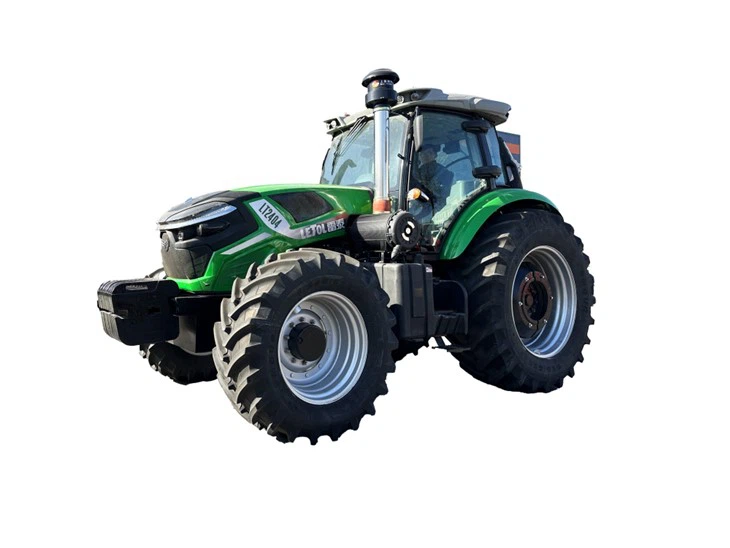
As a supplier of 4WD 240HP heavy construction tractors, I often get asked about the speed capabilities of these powerful machines. Understanding the maximum speed of a 4WD 240HP heavy construction tractor is crucial for various stakeholders, including construction companies, contractors, and equipment operators. In this blog post, I will delve into the factors that influence the speed of these tractors and provide a realistic estimate of their top speeds.
Factors Affecting the Speed of a 4WD 240HP Heavy Construction Tractor
The speed of a 4WD 240HP heavy construction tractor is determined by several key factors, each playing a significant role in the overall performance of the machine. Let's take a closer look at these factors:
Engine Power and Torque
A 240HP engine provides a substantial amount of power, which is essential for propelling the heavy construction tractor forward. However, power alone does not determine speed. Torque, the rotational force generated by the engine, is equally important. A tractor with high torque can accelerate more quickly and maintain speed even when carrying heavy loads. The engine's power and torque characteristics are carefully engineered to balance performance, fuel efficiency, and durability.
Transmission System
The transmission system of a 4WD 240HP heavy construction tractor is responsible for transferring power from the engine to the wheels. Most modern tractors are equipped with a multi-speed transmission, allowing the operator to select the appropriate gear ratio for different operating conditions. A well-designed transmission system can optimize power delivery, enabling the tractor to achieve higher speeds while maintaining control and stability.
Weight and Load Capacity
Heavy construction tractors are designed to carry heavy loads, which can significantly affect their speed. The weight of the tractor itself, combined with the weight of the attached implements and any additional payload, creates a greater resistance to motion. As a result, tractors may experience reduced acceleration and top speed when carrying heavy loads. Manufacturers carefully balance the tractor's weight and load capacity to ensure optimal performance in various applications.
Terrain and Surface Conditions
The terrain and surface conditions on which the tractor operates have a direct impact on its speed. Rough, uneven terrain, such as construction sites or off-road areas, can slow down the tractor due to increased rolling resistance and the need to navigate obstacles. In contrast, smooth, flat surfaces, such as paved roads or well-maintained fields, allow the tractor to achieve higher speeds with less effort. Additionally, factors such as soil type, moisture content, and slope can also affect the tractor's traction and speed.
Tire Size and Tread Pattern
The size and tread pattern of the tires play a crucial role in the tractor's speed and performance. Larger tires generally provide better ground clearance and traction, allowing the tractor to travel more smoothly over rough terrain. However, larger tires also have a higher rolling resistance, which can reduce speed. The tread pattern of the tires is designed to provide optimal grip on different surfaces, with aggressive tread patterns offering better traction in muddy or slippery conditions.
Typical Speed Range of a 4WD 240HP Heavy Construction Tractor
Based on the factors mentioned above, the typical speed range of a 4WD 240HP heavy construction tractor can vary significantly. In general, these tractors are designed for heavy-duty applications and are not intended to achieve high speeds like passenger vehicles or light-duty trucks.
On average, a 4WD 240HP heavy construction tractor can travel at speeds ranging from 5 to 25 miles per hour (8 to 40 kilometers per hour). The lower end of this speed range is typically used for tasks that require precise control and maneuverability, such as grading, excavation, and material handling. The higher end of the speed range may be achievable on smooth, flat surfaces when the tractor is not carrying a heavy load.

It's important to note that the actual speed of a tractor may be limited by the manufacturer's specifications, safety regulations, and the operator's judgment. Operating a tractor at speeds beyond its recommended limits can pose a significant safety risk and may cause damage to the machine.
Applications and Considerations
The speed capabilities of a 4WD 240HP heavy construction tractor make it suitable for a wide range of applications in the construction, agriculture, and forestry industries. Here are some common applications and considerations:
Construction Sites
On construction sites, 4WD 240HP heavy construction tractors are used for tasks such as site preparation, grading, excavation, and material handling. The tractor's ability to carry heavy loads and operate in rough terrain makes it an essential piece of equipment for these applications. However, due to the nature of construction work, speed is often not the primary concern. Instead, the tractor's power, torque, and maneuverability are more important factors.
Agricultural Operations
In the agricultural industry, 4WD 240HP heavy construction tractors are used for tasks such as plowing, tilling, seeding, and harvesting. The tractor's power and traction allow it to work efficiently in various soil conditions and weather conditions. While speed may not be as critical in agricultural operations as it is in other industries, the ability to cover large areas quickly can increase productivity and reduce labor costs.
Forestry Applications
In the forestry industry, 4WD 240HP heavy construction tractors are used for tasks such as logging, skidding, and road building. The tractor's high ground clearance and four-wheel drive capabilities make it suitable for operating in rough, uneven terrain. However, due to the nature of forestry work, speed is often limited by the need to navigate through trees, avoid obstacles, and maintain control of the load.
Conclusion
In conclusion, the speed of a 4WD 240HP heavy construction tractor is influenced by several factors, including engine power and torque, transmission system, weight and load capacity, terrain and surface conditions, and tire size and tread pattern. While these tractors are not designed to achieve high speeds like passenger vehicles or light-duty trucks, they offer a combination of power, torque, and maneuverability that makes them suitable for a wide range of heavy-duty applications.
If you are in the market for a 4WD 240HP heavy construction tractor, I encourage you to explore our product offerings. We offer a variety of 240HP 4WD Multipurpose Construction Tractor, 4WD 240HP Tractor For Farm & Construction, and 240HP 4WD Farm & Construction Tractor models that are designed to meet the specific needs of your business. Our tractors are built to last, with high-quality components and advanced technology that ensure reliable performance and maximum productivity.
If you have any questions or would like to discuss your specific requirements, please don't hesitate to contact us. Our team of experts is ready to assist you in finding the perfect tractor for your needs.
References
- "Construction Equipment Handbook" by Frank H. Rockwell
- "Agricultural Machinery and Equipment" by Richard L. Zimmerman
- "Forestry Equipment and Operations" by David N. Graney