


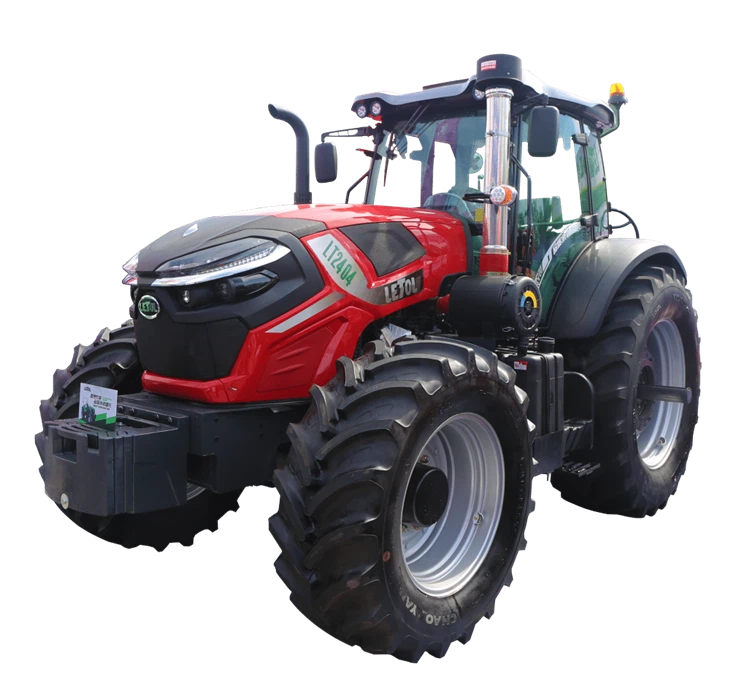
Maintaining the 4WD system of a 4WD 240hp heavy construction tractor is a topic that often comes up among those in the construction and heavy - machinery industry. As a supplier of [product links inserted as relevant], I've had numerous conversations with customers about this very issue. In this blog, I'll delve into the intricacies of maintaining the 4WD system of such a powerful and robust piece of equipment.
Understanding the 4WD System in a 240hp Heavy Construction Tractor
Before we discuss maintenance, it's essential to understand what a 4WD system in a 240hp heavy construction tractor entails. The 4WD system, or four - wheel drive system, is designed to provide power to all four wheels of the tractor simultaneously. This is crucial for heavy construction work as it offers better traction, stability, and control on uneven, muddy, or slippery terrains.
In a 240hp tractor, the 4WD system is more complex than in smaller vehicles. It has to handle a large amount of power from the engine and transfer it efficiently to all four wheels. Components such as transfer cases, differentials, driveshafts, and axles play a vital role in the 4WD system. The transfer case is responsible for splitting the power from the transmission to the front and rear axles. Differentials allow the wheels on the same axle to rotate at different speeds, which is necessary when turning. Driveshafts transfer the power from the transfer case to the axles, and axles provide the final connection to the wheels.
Factors Affecting the Ease of Maintenance
Complexity of Components
One of the main factors that determine whether it's easy to maintain the 4WD system is the complexity of its components. As mentioned earlier, the 4WD system in a 240hp heavy construction tractor is quite complex. The transfer case, for example, has a series of gears and clutches that need to be maintained properly. These components are often housed in a sealed unit, which makes it more challenging to access and service them.
The differentials also require regular attention. They need to be lubricated with the right type of oil, and the oil needs to be changed at specific intervals. If the differential oil level is low or contaminated, it can lead to excessive wear and tear on the gears, which can ultimately result in differential failure.
Operating Conditions
The operating conditions of the tractor have a significant impact on the maintenance of the 4WD system. Construction sites are often harsh environments, with dirt, dust, mud, and debris. These contaminants can easily find their way into the 4WD system components, such as the driveshafts and axles.
For instance, if the tractor is frequently used in muddy conditions, the mud can clog the ventilation holes in the differentials and transfer case. This can cause pressure build - up inside these components, leading to oil leaks and premature wear. Additionally, the constant vibration and shock from operating on rough terrain can loosen bolts and connections in the 4WD system, requiring regular inspections and tightening.
Availability of Parts
Another important factor is the availability of parts. Maintaining the 4WD system may require replacing worn - out components from time to time. If the parts are readily available, it becomes easier to carry out maintenance. However, for some specialized heavy - construction tractors, certain parts may be difficult to source. This can lead to longer downtime for the tractor while waiting for the parts to arrive.

Maintenance Tasks for the 4WD System
Regular Inspections
Regular inspections are the cornerstone of maintaining the 4WD system. Visual inspections should be carried out before and after each use. Check for any signs of leaks, such as oil stains under the tractor. Look for loose or damaged bolts, cracks in the driveshafts, and worn - out seals.
Inspect the condition of the tires as well. Uneven tire wear can indicate problems with the 4WD system, such as a misaligned differential or a malfunctioning transfer case. If any issues are detected during the inspection, they should be addressed immediately to prevent further damage.
Fluid Checks and Changes
The fluids in the 4WD system, such as the transfer case fluid and differential oil, need to be checked regularly. These fluids lubricate the moving parts, reduce friction, and dissipate heat. Over time, the fluids can become contaminated with metal particles, dirt, and moisture, which can reduce their effectiveness.
Refer to the tractor's owner's manual for the recommended fluid change intervals. When changing the fluids, make sure to use the correct type and grade of fluid specified by the manufacturer. Using the wrong fluid can cause damage to the components and void the warranty.
Greasing and Lubrication
Proper greasing and lubrication of the 4WD system components are essential for their smooth operation. The universal joints on the driveshafts, for example, need to be greased at regular intervals. Greasing helps to prevent wear and corrosion and ensures that the driveshafts can rotate freely.
The axles also require lubrication. Some axles have grease fittings that need to be accessed and filled with the appropriate grease. Neglecting to grease these components can lead to premature failure and costly repairs.
Making Maintenance Easier
Manufacturer Support
As a supplier, we work closely with the manufacturers of our 4WD 240HP Tractor for Construction. The manufacturers provide detailed maintenance guides and technical support. This support can be invaluable when it comes to understanding the intricacies of the 4WD system and carrying out maintenance tasks correctly.
We also offer training programs for our customers on how to maintain their tractors, including the 4WD system. These training programs cover everything from basic inspections to more advanced maintenance procedures.

High - Quality Components
We ensure that the tractors we supply are equipped with high - quality 4WD system components. High - quality components are more durable and require less frequent maintenance. They are also less likely to fail prematurely, which reduces downtime and repair costs for our customers.
Our 240HP 4WD Farm & Construction Tractor and 4WD 240HP Tractor, Built for Construction are designed with reliability in mind. The 4WD systems in these tractors are engineered to withstand the rigors of heavy - construction work, making maintenance a bit more manageable.
Conclusion
Maintaining the 4WD system of a 4WD 240hp heavy construction tractor is not an easy task. The complexity of the components, harsh operating conditions, and potential difficulties in sourcing parts all contribute to the challenges. However, with regular inspections, proper fluid checks and changes, and adequate greasing and lubrication, the 4WD system can be kept in good working condition.
As a supplier, we are committed to providing our customers with the support and resources they need to maintain their tractors effectively. If you're in the market for a 4WD 240HP Tractor for Construction, or if you have any questions about maintaining the 4WD system of your existing tractor, please don't hesitate to reach out to us. We're here to help you make the most of your equipment and ensure its long - term reliability.

References
- Tractor Manufacturer's Owner's Manuals
- Construction Machinery Maintenance Guides
- Industry Publications on Heavy - Equipment Maintenance