


Hey there! As a construction tractor supplier, I've seen it all when it comes to what makes a great construction tractor. Whether you're in the business of building roads, erecting buildings, or doing some heavy - duty landscaping, choosing the right tractor is crucial. So, let's dive into the key features you should look for in a construction tractor.

1. Power and Performance
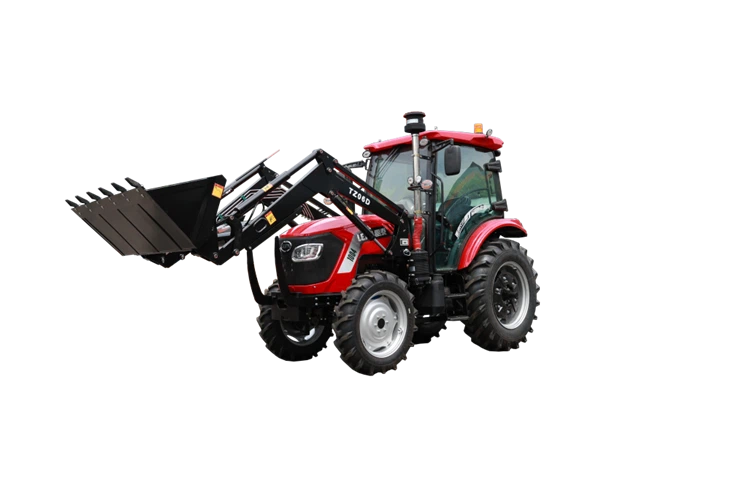
First off, power is king in the construction world. You need a tractor that can handle the tough jobs. Horsepower is a major factor here. A tractor with higher horsepower can pull heavier loads, operate larger attachments, and work more efficiently. For instance, our 100 HP Tractor with Front Loader packs a punch. With 100 horsepower, it's capable of taking on a wide range of construction tasks, from moving large amounts of dirt to hauling heavy building materials.
The engine also plays a vital role. A good construction tractor engine should be durable, fuel - efficient, and easy to maintain. Diesel engines are often a popular choice in the construction industry because they offer high torque, which is essential for heavy - duty work. They can handle the stress of continuous operation without breaking a sweat. Plus, they tend to be more fuel - efficient than gasoline engines, which means lower operating costs in the long run.
2. Attachments and Versatility
One of the great things about construction tractors is their ability to use different attachments. This versatility allows you to use a single tractor for multiple tasks. Front loaders are a must - have attachment. Our 100 Horsepower Tractor with Front Loader comes with a powerful front loader that can lift and move large amounts of material quickly. You can use it to load dirt into trucks, clear debris from a construction site, or even move pallets of building supplies.
Backhoes are another useful attachment. They're great for digging trenches, foundations, and holes. With a backhoe attachment, your tractor can transform into a mini - excavator, saving you the cost of buying a separate piece of equipment. Other attachments like mowers, tillers, and snow blowers can also expand the functionality of your tractor, making it useful in different seasons and for various projects.
3. Comfort and Ergonomics
Construction work can be long and tiring, so operator comfort is important. A tractor with a comfortable cab can reduce operator fatigue and increase productivity. Look for a tractor with an adjustable seat, good visibility, and easy - to - reach controls. The cab should also be well - insulated to reduce noise and vibration, creating a more pleasant working environment.
The controls should be intuitive and easy to operate. You don't want an operator spending half the day trying to figure out how to use the tractor's functions. A well - designed control layout can make a big difference in how efficiently the tractor is used. For example, having joystick controls for the attachments can make the operation smoother and more precise.
4. Durability and Build Quality
Construction sites are tough environments, so your tractor needs to be built to last. Look for a tractor with a strong frame and high - quality components. The axles, transmission, and hydraulic systems should be able to withstand the heavy loads and rough terrain. A tractor with a good warranty is also a sign of the manufacturer's confidence in its product.
The body of the tractor should be resistant to rust and corrosion, especially if it will be exposed to the elements. A durable paint job and proper sealing can help protect the tractor from the harsh conditions on a construction site. Regular maintenance is still important, but a tractor with good build quality will require less frequent repairs and replacements.
5. Safety Features
Safety is always a top priority on construction sites. Your tractor should come with a range of safety features. Roll - over protection structures (ROPS) are essential. They can protect the operator in case the tractor tips over. Seat belts should also be standard equipment, ensuring that the operator stays in place during operation.
Visibility is another safety factor. Good lighting, both front and rear, can help the operator see clearly in low - light conditions. Backup alarms and cameras can also reduce the risk of accidents when the tractor is moving in reverse. Some tractors even come with advanced safety features like stability control systems, which can help prevent the tractor from tipping over on uneven ground.
6. Maneuverability
Construction sites can be crowded and have limited space, so your tractor needs to be maneuverable. A tractor with a tight turning radius can easily navigate around obstacles and work in confined areas. Four - wheel drive is also an advantage, as it provides better traction and control on different types of terrain.
The steering system should be responsive and easy to operate. Whether you're making sharp turns or driving in a straight line, the tractor should be easy to handle. This can save time and make the work more efficient, especially when working on complex construction projects.
7. Maintenance and Serviceability
Regular maintenance is essential to keep your tractor running smoothly. Look for a tractor that is easy to maintain. Access to the engine, filters, and other components should be straightforward. Some tractors have removable panels that make it easy to reach the parts that need to be serviced.
It's also important to consider the availability of spare parts. You don't want to be waiting weeks for a replacement part to arrive. As a supplier, we make sure to have a good inventory of spare parts for our tractors, so you can get your tractor back up and running quickly if something goes wrong.
If you're in the market for a construction tractor and want to learn more about our products, or if you have any questions about the features I've mentioned, don't hesitate to reach out. We're here to help you find the perfect tractor for your construction needs. Whether you're a small contractor or a large construction company, we have the right tractor for you. Let's start a conversation and see how we can work together to get your projects done efficiently and safely.
References
- "Construction Equipment Handbook" - A comprehensive guide on different types of construction equipment, including tractors.
- Industry reports on the latest trends in construction tractor technology.