


When it comes to the operation of construction tractors, understanding the operating hours limits is crucial for both safety and efficiency. As a construction tractor supplier, I've encountered numerous inquiries regarding this topic. In this blog post, I'll delve into the factors that influence the operating hours limits of construction tractors and provide some practical insights for operators and businesses.
Factors Affecting Operating Hours Limits
1. Manufacturer Recommendations
Manufacturers typically provide guidelines on the maximum operating hours for their construction tractors. These recommendations are based on extensive testing and engineering analysis to ensure the longevity and reliability of the equipment. For instance, some tractors may be designed to operate for a certain number of hours per day or week without causing excessive wear and tear. It's essential to follow these guidelines to avoid voiding the warranty and to prevent premature breakdowns.
2. Engine and Component Durability
The durability of the engine and other critical components plays a significant role in determining the operating hours limits. High - quality engines and components are generally more robust and can withstand longer operating hours. For example, engines with advanced cooling systems and efficient lubrication can operate for extended periods without overheating or experiencing excessive friction. However, continuous operation at high loads or in harsh environments can still reduce the lifespan of these components.
3. Maintenance and Service
Regular maintenance and service are key to extending the operating hours of construction tractors. Proper lubrication, filter changes, and inspections can prevent major breakdowns and keep the tractor running smoothly. Neglecting maintenance can lead to increased wear on parts, reduced performance, and ultimately, shorter operating hours. A well - maintained tractor is more likely to meet or exceed the manufacturer's recommended operating hours.

4. Operating Conditions
The conditions in which the tractor operates have a substantial impact on its operating hours limits. Construction sites with rough terrain, extreme temperatures, or high levels of dust and debris can put additional stress on the tractor. For example, operating a tractor in hot and humid conditions can cause the engine to overheat more easily, while working on rocky terrain can damage the tires and undercarriage. These adverse conditions may require more frequent maintenance and limit the number of hours the tractor can operate safely.
Typical Operating Hours Limits
On average, a well - maintained construction tractor can operate for about 8 - 10 hours per day under normal conditions. However, this can vary depending on the factors mentioned above. Some smaller tractors may be suitable for shorter operating periods, around 6 - 8 hours per day, while larger and more heavy - duty models can handle up to 12 hours per day in some cases.
It's important to note that continuous operation for long periods without breaks can also lead to operator fatigue, which is a significant safety concern. Operators should take regular breaks to stay alert and focused during their shifts.
Our Product Range and Operating Hours
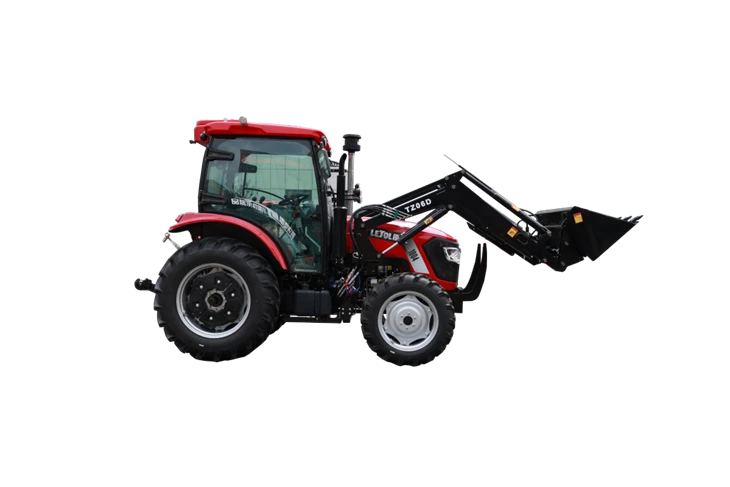
At our company, we offer a wide range of construction tractors designed to meet different needs and operating requirements. For example, our 100 HP Tractor with Front Loader is a versatile machine that can handle various construction tasks. With proper maintenance and under normal operating conditions, it can operate efficiently for up to 10 hours per day.
Another popular model is our 90HP 4WD Backhoe Loader Farm Tractor with Loader Bucket. This tractor is known for its durability and performance, and it can typically operate for 8 - 10 hours per day.
Our 100 Horsepower Tractor with Front Loader is also a reliable option for construction projects. It is engineered to withstand long - term use and can operate for extended periods with proper care.
Importance of Adhering to Operating Hours Limits
Adhering to the operating hours limits is not only important for the longevity of the tractor but also for safety. Overworking a tractor can lead to mechanical failures, which can pose a risk to the operator and those working around the machine. In addition, exceeding the recommended operating hours can result in higher maintenance costs and reduced productivity in the long run.
Tips for Maximizing Operating Hours
1. Plan Your Workload
Proper planning can help ensure that the tractor is not overworked. Break down large projects into smaller tasks and schedule the tractor's operation accordingly. This allows the tractor to operate within its recommended limits and gives it time for maintenance and rest.
2. Monitor the Tractor's Performance
Regularly monitor the tractor's performance, including engine temperature, oil pressure, and fuel consumption. Any unusual changes in these parameters could indicate a problem that needs to be addressed immediately. Early detection of issues can prevent major breakdowns and extend the tractor's operating hours.
3. Train Your Operators
Well - trained operators are more likely to operate the tractor efficiently and safely. Provide training on proper operating procedures, maintenance schedules, and safety protocols. Operators should also be aware of the importance of adhering to the operating hours limits.
Contact Us for Your Construction Tractor Needs
If you're in the market for a construction tractor or have questions about operating hours limits, we're here to help. Our team of experts can provide you with detailed information about our products and assist you in choosing the right tractor for your specific needs. Whether you're a small construction company or a large - scale contractor, we have the solutions to meet your requirements. Contact us today to start the procurement process and discuss how our construction tractors can enhance your operations.
References
- Construction Equipment Manufacturer's Manuals
- Industry Reports on Construction Tractor Durability and Performance
- Research Studies on Tractor Maintenance and Operating Conditions