


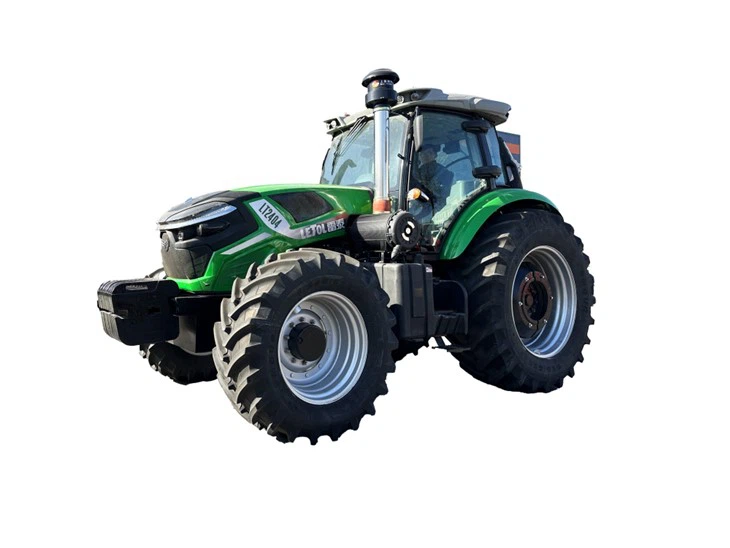
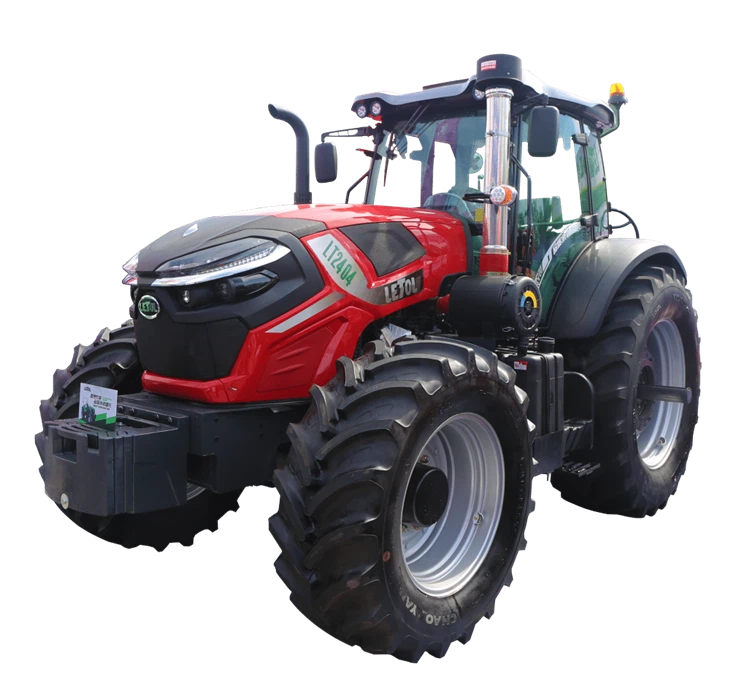
Operating a 4wd 240hp heavy construction tractor is no walk in the park. It's a serious job that comes with a whole bunch of safety risks. As a supplier of these powerful machines, I've seen firsthand how important it is for operators to get the right safety training. In this blog, I'm gonna break down the key safety training requirements for running a 4wd 240hp heavy construction tractor.
Pre - operation Training
Before an operator even climbs into the cab of a 4wd 240hp heavy construction tractor, they need to have a solid understanding of the machine. This includes learning about its basic components and how they work together. For example, they should know about the engine, transmission, hydraulic systems, and the four - wheel - drive mechanism.
The engine is the heart of the tractor, and operators need to understand how to start it properly, check the oil and coolant levels, and what to do if there are any warning lights on the dashboard. The transmission is responsible for transferring power from the engine to the wheels, and operators should be trained on how to shift gears smoothly, especially when dealing with heavy loads.
The hydraulic systems are used for operating attachments like buckets, blades, and winches. Operators must learn how to control the hydraulic levers safely to avoid sudden movements that could cause accidents. And the four - wheel - drive system gives the tractor the traction it needs on rough terrain, but it also requires proper handling to prevent over - stressing the components.
Another crucial part of pre - operation training is learning how to conduct a thorough pre - shift inspection. This involves checking the tires for proper inflation and any signs of damage, inspecting the brakes to make sure they're working correctly, and looking for any loose or damaged parts on the tractor. A pre - shift inspection can help catch potential problems before they turn into major safety hazards.
Operating Procedures Training
Once an operator is familiar with the tractor's components and has completed the pre - shift inspection, it's time to learn the proper operating procedures. This includes how to drive the tractor safely on different types of terrain. For instance, on soft ground like mud or sand, the operator needs to use a lower gear and drive at a slower speed to prevent the tractor from getting stuck. On steep slopes, operators must be trained on how to maintain stability and avoid tipping over. They should know to drive straight up or down the slope and not across it, as this can increase the risk of a roll - over.
When it comes to operating attachments, operators need to understand the specific functions and limitations of each one. For example, when using a bucket to dig, they need to know how to position the bucket correctly, how much force to apply, and how to avoid hitting obstacles. If you're interested in our 4wd 240hp tractors that are great for various construction tasks, check out 4WD 240HP Tractor for Farm & Construction.
Visibility is also a major concern when operating a heavy construction tractor. Operators should be trained to use all the mirrors on the tractor effectively and to be aware of their blind spots. They should always look behind them before backing up and use a spotter if necessary.
Safety Equipment Training
A 4wd 240hp heavy construction tractor is equipped with a variety of safety equipment, and operators need to know how to use it properly. The most obvious piece of safety equipment is the seatbelt. Operators should be required to wear their seatbelts at all times while the tractor is in motion. Seatbelts can prevent operators from being thrown from the cab in the event of a sudden stop or roll - over.
The tractor also has emergency stop buttons. Operators need to know the location of these buttons and how to use them in case of an emergency. In addition, there are fire extinguishers on board, and operators should be trained on how to use them to put out small fires before they spread.
Some tractors are also equipped with roll - over protection structures (ROPS). Operators must understand the purpose of ROPS and how they provide protection in the event of a roll - over. They should never remove or modify ROPS, as this can significantly reduce their effectiveness.
Hazard Awareness Training
Construction sites are full of hazards, and operators of 4wd 240hp heavy construction tractors need to be aware of them. This includes being aware of other workers on the site, especially pedestrians. Operators should always look out for workers and give them plenty of space. They should also be trained on how to communicate with other workers, for example, using hand signals or two - way radios.
Underground utilities are another major hazard. Before starting any work, operators should be provided with information about the location of underground pipes and cables. They need to know how to avoid damaging these utilities, as this can lead to serious injuries and costly repairs.
Weather conditions can also pose a risk. In rainy or snowy conditions, the ground can become slippery, reducing the tractor's traction. Operators should be trained on how to adjust their driving style to account for these conditions. In extreme weather like high winds or lightning, operators may need to stop work and take shelter.
Emergency Response Training
Despite all the safety precautions, emergencies can still happen. That's why operators need to receive emergency response training. This includes knowing what to do in case of a fire, a roll - over, or a mechanical failure.
In the event of a fire, operators should know how to evacuate the tractor safely and use the fire extinguisher if it's safe to do so. They should also know how to call for help and what to tell the emergency responders.
If the tractor rolls over, operators should stay inside the cab if possible, as the ROPS and seatbelt are designed to protect them. They should wait for help to arrive and not try to exit the cab until it's safe.
In case of a mechanical failure, operators should be trained on how to safely stop the tractor and secure it to prevent it from moving. They should also know how to troubleshoot common problems and when to call a mechanic.
Ongoing Training and Refresher Courses
Safety training isn't a one - time thing. Operators of 4wd 240hp heavy construction tractors should receive ongoing training and refresher courses. New technologies and safety features are constantly being introduced in the industry, and operators need to stay up - to - date.
Refresher courses can also help reinforce the safety procedures and keep operators vigilant. For example, a refresher course on operating attachments can remind operators of the proper techniques and safety precautions. And a course on new safety regulations can ensure that operators are following the latest industry standards.
If you're looking for a 240hp 4wd tractor that's ideal for construction, check out 240HP 4WD Tractor, Ideal for Construction. And for more information on our construction - specific 4wd 240hp tractors, visit 4WD 240HP Tractor for Construction.
Conclusion
In conclusion, safety training is essential for anyone operating a 4wd 240hp heavy construction tractor. From pre - operation training to emergency response training, every aspect plays a crucial role in ensuring the safety of the operator and those around them. As a supplier, we're committed to providing our customers with high - quality tractors and also ensuring that operators are well - trained to use them safely.
If you're interested in purchasing a 4wd 240hp heavy construction tractor, or if you have any questions about safety training or our products, don't hesitate to reach out. We're here to help you make the right choice and ensure that your operations are as safe and efficient as possible.
References
- Construction Equipment Operator Training Manuals
- Occupational Safety and Health Administration (OSHA) Guidelines for Heavy Equipment Operation
- Manufacturer's Manuals for 4wd 240hp Heavy Construction Tractors