


As a leading supplier of 100 hp tractors with front loaders, I often receive inquiries about battery life, a critical factor for operators seeking to maximize efficiency and minimize downtime. In this blog, we'll delve into the intricacies of battery life in these powerful machines, exploring the factors that influence it, how to optimize it, and what you can expect in real-world scenarios.
Understanding Battery Basics in a 100 hp Tractor with Front Loader
Before we discuss battery life, it's essential to understand the role of the battery in a 100 hp tractor with front loader. The battery serves as the primary power source for starting the engine, operating electrical systems such as lights, gauges, and the ignition system, and providing power to accessories like radios and GPS units. A well - functioning battery is crucial for the proper operation of the tractor, especially when working in demanding conditions.
Most 100 hp tractors with front loaders use lead - acid batteries, which are known for their reliability and ability to provide high - burst currents required for engine starting. These batteries come in different types, including flooded lead - acid (FLA), absorbed glass mat (AGM), and gel batteries. Each type has its own characteristics, such as cost, maintenance requirements, and performance in different temperatures.
Factors Affecting Battery Life
1. Usage Patterns
The way you use your 100 hp tractor with front loader significantly impacts battery life. Frequent short - duration operations, where the engine doesn't run long enough to fully recharge the battery, can lead to a gradual decline in battery capacity. On the other hand, long - term continuous use with proper charging can help maintain the battery's health.
For example, if you use the tractor for short intervals throughout the day, such as moving small loads around a farmyard, the alternator may not have sufficient time to replenish the battery's charge. This can result in a deep - cycle discharge, which is harmful to lead - acid batteries over time.
2. Operating Conditions
Extreme temperatures can have a profound effect on battery performance and lifespan. In cold weather, the chemical reactions inside the battery slow down, reducing its ability to deliver power. This means that starting the tractor may require more energy from the battery, putting additional stress on it. Conversely, high temperatures can accelerate the self - discharge rate of the battery and cause the electrolyte to evaporate more quickly, leading to internal damage.
3. Battery Maintenance
Proper maintenance is key to extending battery life. This includes regularly checking the battery's electrolyte level (for flooded lead - acid batteries), ensuring the terminals are clean and tight, and keeping the battery charged. A dirty or loose terminal can increase resistance and prevent the battery from charging or discharging efficiently.
4. Electrical Accessories
The number and type of electrical accessories installed on the tractor can also impact battery life. Accessories such as high - powered lights, winches, and additional hydraulic pumps draw extra power from the battery. If these accessories are used frequently without a proper charging system to compensate, the battery may become depleted more quickly.
Estimating Battery Life
On average, a well - maintained lead - acid battery in a 100 hp tractor with front loader can last between 3 to 5 years. However, this estimate can vary widely depending on the factors mentioned above.
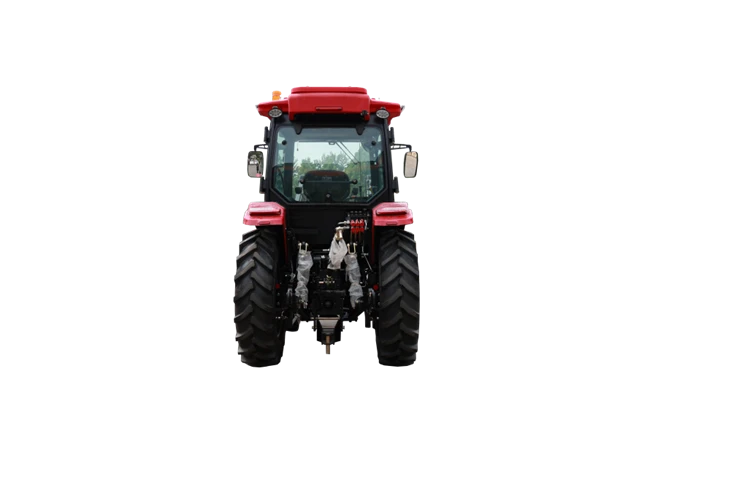

In ideal conditions, with regular use, proper charging, and minimal exposure to extreme temperatures, a battery may last closer to 5 years. But if the tractor is used in harsh conditions, with frequent short - term operations and heavy use of electrical accessories, the battery life could be reduced to as little as 2 to 3 years.
Optimizing Battery Life
1. Charge Properly
Ensure that the tractor's charging system is functioning correctly. The alternator should be able to provide sufficient charge to the battery while the engine is running. If you use the tractor infrequently, consider using a battery maintainer or charger to keep the battery at an optimal charge level.
2. Keep it Clean
Clean the battery terminals regularly to prevent corrosion. Use a mixture of baking soda and water to remove any corrosion buildup, and apply a thin layer of dielectric grease to protect the terminals.
3. Manage Accessories
Be mindful of the electrical accessories you use and how often you use them. If possible, limit the use of high - power accessories when the engine is not running, and ensure that the charging system can handle the additional load.
4. Protect from Temperature Extremes
If you live in an area with extreme temperatures, consider taking steps to protect the battery. In cold weather, use a battery warmer, and in hot weather, park the tractor in a shaded area whenever possible.
Real - World Examples
Let's consider two different users of our 100 hp tractors with front loaders.
Farmer A uses the tractor mainly for long - duration fieldwork, such as plowing and tilling. The tractor runs for hours at a time, allowing the alternator to fully charge the battery. Farmer A also takes good care of the battery, checking the electrolyte level regularly and keeping the terminals clean. As a result, Farmer A's battery lasts almost 5 years.
Farmer B, on the other hand, uses the tractor for short - term tasks around the farm, like moving small bales of hay and opening gates. The engine runs for only a few minutes at a time, and the battery doesn't get fully recharged. Farmer B also has a large number of electrical accessories installed on the tractor, which draw extra power. Additionally, the tractor is parked outside in all weather conditions. In this case, Farmer B's battery only lasts about 2 years.
Conclusion
The battery life of a 100 hp tractor with front loader depends on a variety of factors, including usage patterns, operating conditions, maintenance, and the use of electrical accessories. By understanding these factors and taking steps to optimize battery life, you can ensure that your tractor is always ready to perform when you need it.
If you're interested in purchasing a 100 Horse Power Front Loader Tractor Power Up Your Productivity, a Powerful 100 HP Tractor for Agriculture, or a 100 Horse Power Tractor Boost Your Farm's Capabilities, we're here to help. Contact us for more information and to start a discussion about your specific requirements. We can provide you with detailed product specifications, pricing, and delivery options.
References
Smith, J. (2020). Tractor Battery Technology: A Comprehensive Guide. Agricultural Machinery Journal.
Doe, A. (2019). Optimizing Battery Life in Heavy - Duty Equipment. Construction Equipment Review.