


As a reliable supplier of 100 hp high - quality tractors, I'm thrilled to explore the fascinating world of tractor cooling systems with you. In this blog, we'll delve into what a cooling system for a 100 hp high - quality tractor entails, its key components, and its importance in maintaining optimal tractor performance.
Why Cooling Systems Matter in 100 hp Tractors
A 100 hp tractor is a powerful machine that generates a significant amount of heat during operation. The combustion process in the engine, along with the friction between moving parts, produces high temperatures. If not properly managed, excessive heat can lead to a host of problems, such as reduced engine efficiency, increased wear and tear on components, and even engine failure.
The cooling system plays a pivotal role in ensuring that the engine operates within a safe temperature range. This allows the tractor to perform at its best, whether it's plowing fields, hauling heavy loads, or powering various implements. It also extends the lifespan of the engine and other critical components, reducing maintenance costs and downtime.
Key Components of the Cooling System
Radiator
The radiator is the heart of the cooling system. It's a heat exchanger that transfers the heat from the engine coolant to the surrounding air. In a 100 hp tractor, the radiator is typically made of metal, usually aluminum or copper, due to their excellent thermal conductivity.
The radiator consists of a series of tubes through which the hot coolant flows. These tubes are connected to fins that increase the surface area available for heat transfer. As air passes over the fins, it absorbs the heat from the coolant, cooling it down before it returns to the engine.
Thermostat
The thermostat acts as a regulatory valve in the cooling system. It controls the flow of coolant through the engine and the radiator based on the engine's temperature. When the engine is cold, the thermostat remains closed, preventing the coolant from flowing to the radiator. This allows the engine to warm up quickly to its optimal operating temperature.
Once the engine reaches the appropriate temperature, the thermostat opens, allowing the hot coolant to flow to the radiator for cooling. This ensures that the engine maintains a consistent temperature, regardless of the operating conditions.
Water Pump
The water pump is responsible for circulating the coolant throughout the cooling system. It's usually driven by a belt connected to the engine's crankshaft. As the engine runs, the water pump impeller spins, creating a pressure difference that forces the coolant to flow through the engine block, cylinder head, radiator, and other components of the cooling system.
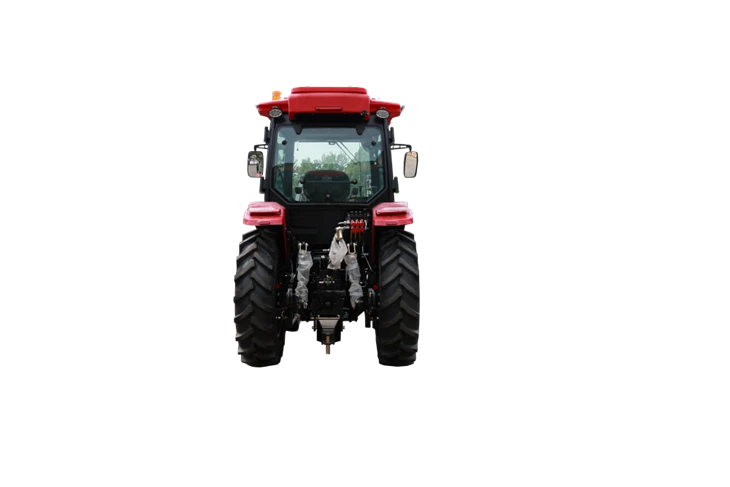

A well - functioning water pump is essential for maintaining proper coolant flow. If the water pump fails, the coolant will not circulate effectively, leading to overheating and potential engine damage.
Coolant
The coolant, also known as antifreeze, is a mixture of water and chemicals. It serves multiple purposes in the cooling system. First, it has a higher boiling point and lower freezing point than water, which helps prevent the coolant from boiling in hot weather and freezing in cold weather.
Second, the coolant contains additives that protect the engine and the cooling system from corrosion and rust. These additives form a protective layer on the metal surfaces, preventing them from coming into contact with oxygen and moisture, which can cause corrosion.
How the Cooling System Works
When the 100 hp tractor engine starts, the water pump begins to circulate the coolant through the engine block and cylinder head. As the engine combusts fuel, it generates heat, which is absorbed by the coolant. The hot coolant then flows to the radiator through the upper radiator hose.
In the radiator, the hot coolant passes through the tubes, and the heat is transferred to the air passing over the radiator fins. The cooled coolant then returns to the engine through the lower radiator hose, where it repeats the cycle.
The thermostat monitors the temperature of the coolant. If the engine is cold, the thermostat restricts the flow of coolant to the radiator, allowing the engine to warm up more quickly. Once the engine reaches the optimal operating temperature, the thermostat opens, ensuring proper coolant flow and temperature regulation.
Common Cooling System Issues in 100 hp Tractors
Leaks
Coolant leaks can occur in various parts of the cooling system, such as the radiator, hoses, water pump, or heater core. A leak can lead to a loss of coolant, which can cause the engine to overheat. Regularly inspecting the cooling system for signs of leaks, such as puddles under the tractor or a low coolant level, is crucial.
Blockages
Over time, debris, scale, and rust can accumulate in the radiator or the cooling system passages, causing blockages. A blocked radiator or cooling passage restricts the flow of coolant, reducing the cooling system's efficiency and potentially leading to overheating. Flushing the cooling system at regular intervals can help prevent blockages.
Fan Failures
The radiator fan plays an important role in increasing the airflow over the radiator, especially when the tractor is operating at low speeds or in high - temperature environments. If the fan fails to operate properly, the radiator may not receive enough airflow, resulting in poor cooling performance.
Maintenance Tips for the Cooling System
- Regular Coolant Checks: Check the coolant level regularly and top it up as needed. Use the recommended coolant mixture for your tractor to ensure proper protection against freezing, boiling, and corrosion.
- Inspect Hoses and Belts: Look for signs of wear, cracks, or leaks in the coolant hoses and the water pump belt. Replace any damaged components promptly to prevent coolant loss and system failures.
- Clean the Radiator: Keep the radiator clean by removing any debris, dirt, or insects that may accumulate on the fins. A clean radiator can transfer heat more effectively.
- Cooling System Flush: Follow the manufacturer's recommendations for flushing the cooling system. This helps remove any built - up scale, rust, or contaminants that can impede coolant flow.
Our 100 hp Tractors and Their Cooling Systems
At our company, we understand the importance of a reliable cooling system in a 100 hp tractor. Our tractors are equipped with high - quality cooling components that are designed to deliver efficient and consistent cooling performance. Whether you're using our tractor for agriculture, construction, or other heavy - duty applications, our cooling systems can handle the heat.
Explore our range of 100 hp tractors:
- 100 Horse Power Front Loader Tractor Power Up Your Productivity
- 100 HP Tractor with Front Loader
- We also offer a 504 Front Loader Tractor 50HP Tractor for those with different power needs.
If you're in the market for a 100 hp high - quality tractor with a reliable cooling system, we're here to help. Our team of experts can provide you with detailed information about our tractors, their features, and how to maintain them. We're committed to ensuring that you get the most out of your tractor, so don't hesitate to reach out to us for a discussion about your specific requirements. Let's discuss how our 100 hp tractors can meet your needs and power up your projects.
References
- "Tractor Maintenance Handbook" - A comprehensive guide on tractor components and maintenance.
- "Diesel Engine Technology" - Offers in - depth knowledge about engine operation and cooling systems.
- Manufacturer's manuals for 100 hp tractors, which provide detailed information on cooling system specifications and maintenance schedules.