


Hey there! As a supplier of transport tractors, I often get asked about the noise levels of these powerful machines. Today, I'm gonna dive deep into this topic and share everything you need to know about the noise levels of transport tractors.

Why Noise Levels Matter
First off, you might be wondering why the noise levels of a transport tractor are even important. Well, there are a few reasons. For starters, excessive noise can be a real pain in the neck for the operator. Spending long hours in a noisy environment can lead to hearing problems, stress, and fatigue. It can also make it difficult to communicate with others on the job site, which can be a safety hazard.
On top of that, noise pollution is a growing concern in many areas. Transport tractors are often used in urban and suburban areas, where noise can be a nuisance to nearby residents. By keeping the noise levels of our tractors in check, we can help minimize the impact on the environment and the people around us.
Factors Affecting Noise Levels
So, what exactly affects the noise levels of a transport tractor? There are several factors to consider, including:
- Engine Type: The type of engine in a transport tractor can have a big impact on its noise levels. Diesel engines, for example, tend to be louder than gasoline engines. This is because diesel engines have a higher compression ratio, which results in more explosive combustion and more noise.
- Engine Size: The size of the engine also plays a role in noise levels. Generally speaking, larger engines produce more noise than smaller engines. This is because larger engines have more moving parts and generate more power, which requires more fuel and air to be burned.
- Exhaust System: The exhaust system of a transport tractor can also contribute to its noise levels. A poorly designed or maintained exhaust system can cause excessive noise, as can a damaged muffler.
- Tire Type: The type of tires on a transport tractor can also affect its noise levels. Tires with a more aggressive tread pattern tend to be louder than tires with a smoother tread pattern. This is because the aggressive tread pattern creates more friction with the road surface, which generates more noise.
- Operating Conditions: The operating conditions of a transport tractor can also have an impact on its noise levels. For example, driving on a rough or uneven surface can cause the tractor to vibrate more, which can increase the noise levels. Similarly, driving at high speeds or under heavy loads can also cause the engine to work harder and produce more noise.
Measuring Noise Levels
Now that we know what affects the noise levels of a transport tractor, let's talk about how we measure those noise levels. The most common unit of measurement for noise is the decibel (dB). The decibel scale is logarithmic, which means that a small increase in decibels represents a large increase in noise levels.
For example, a noise level of 60 dB is twice as loud as a noise level of 50 dB, and a noise level of 70 dB is four times as loud as a noise level of 50 dB. The human ear can detect sounds ranging from 0 dB (the threshold of hearing) to 140 dB (the threshold of pain).
When it comes to transport tractors, the noise levels can vary depending on the make and model of the tractor, as well as the operating conditions. In general, however, the noise levels of a transport tractor can range from around 80 dB to 100 dB or more.
Noise Reduction Technologies
As a supplier of transport tractors, we're always looking for ways to reduce the noise levels of our machines. There are several technologies available that can help achieve this goal, including:
- Engine Isolation: Engine isolation involves using rubber mounts or other materials to isolate the engine from the rest of the tractor. This helps reduce the amount of vibration and noise that is transmitted to the cab and the surrounding environment.
- Exhaust Mufflers: Exhaust mufflers are designed to reduce the noise levels of the exhaust system. They work by using a series of chambers and baffles to absorb and dissipate the sound waves produced by the engine.
- Soundproofing Materials: Soundproofing materials can be used to line the cab and other parts of the tractor to reduce the amount of noise that enters the cab. These materials can include foam, fiberglass, and other insulating materials.
- Variable Speed Fans: Variable speed fans can be used to reduce the noise levels of the cooling system. These fans are designed to adjust their speed based on the temperature of the engine, which helps reduce the amount of noise produced by the fan.
Our Tractors and Noise Levels
At our company, we take noise reduction seriously. That's why we've invested in the latest technologies and engineering techniques to ensure that our transport tractors are as quiet as possible.
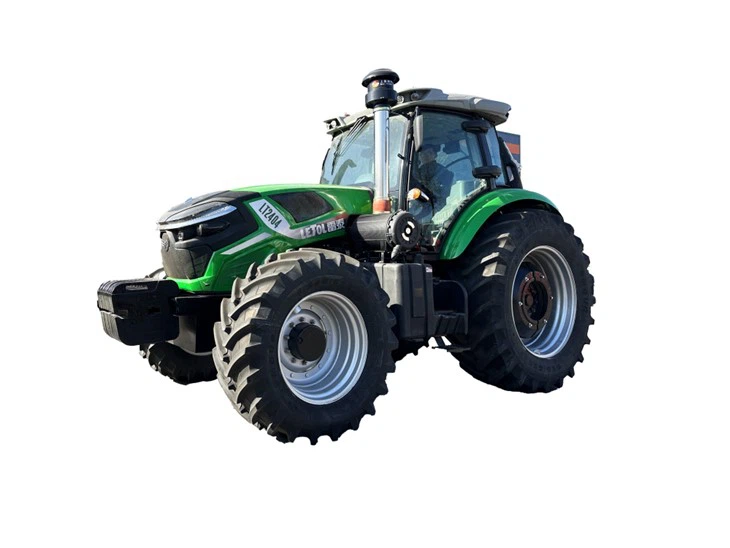
For example, our 4WD 240HP Tractor For Farm & Construction is equipped with a state-of-the-art engine isolation system that helps reduce the amount of vibration and noise that is transmitted to the cab. The tractor also features a high-performance exhaust muffler that helps reduce the noise levels of the exhaust system.
In addition, our 240HP 4WD Farm & Construction Tractor and 240HP 4WD Farm & Construction Tractor are both designed with soundproofing materials to help reduce the amount of noise that enters the cab. These tractors also feature variable speed fans that help reduce the noise levels of the cooling system.
Contact Us for More Information
If you're interested in learning more about the noise levels of our transport tractors, or if you have any other questions or concerns, please don't hesitate to contact us. We'd be happy to provide you with more information and help you find the right tractor for your needs.
Whether you're a farmer, a construction worker, or someone who needs a reliable transport tractor for your business, we have the expertise and the products to meet your needs. So why wait? Contact us today and let's start talking about how we can help you get the job done.
References
- "Noise Pollution and Its Effects on Human Health." World Health Organization, 2018.
- "Noise Reduction Technologies for Heavy-Duty Vehicles." SAE International, 2019.
- "The Impact of Noise on Operator Performance and Safety." National Institute for Occupational Safety and Health, 2020.